I shared some of my previous research with press, including on the podcast “Science Vs True Love”, and (German) TV shows “42: Do we need alpha males?”, “3sat NanoTalk Männlich Toxisch”, and “Terra X - Liebe, wie sie bleibt”. I also include the links to the press releases alongside my publications.
Below are some of the projects I am currently involved in. For more on the vision and code of conduct of my research team please see the pages of the Comparative Behavioural Ecology group.
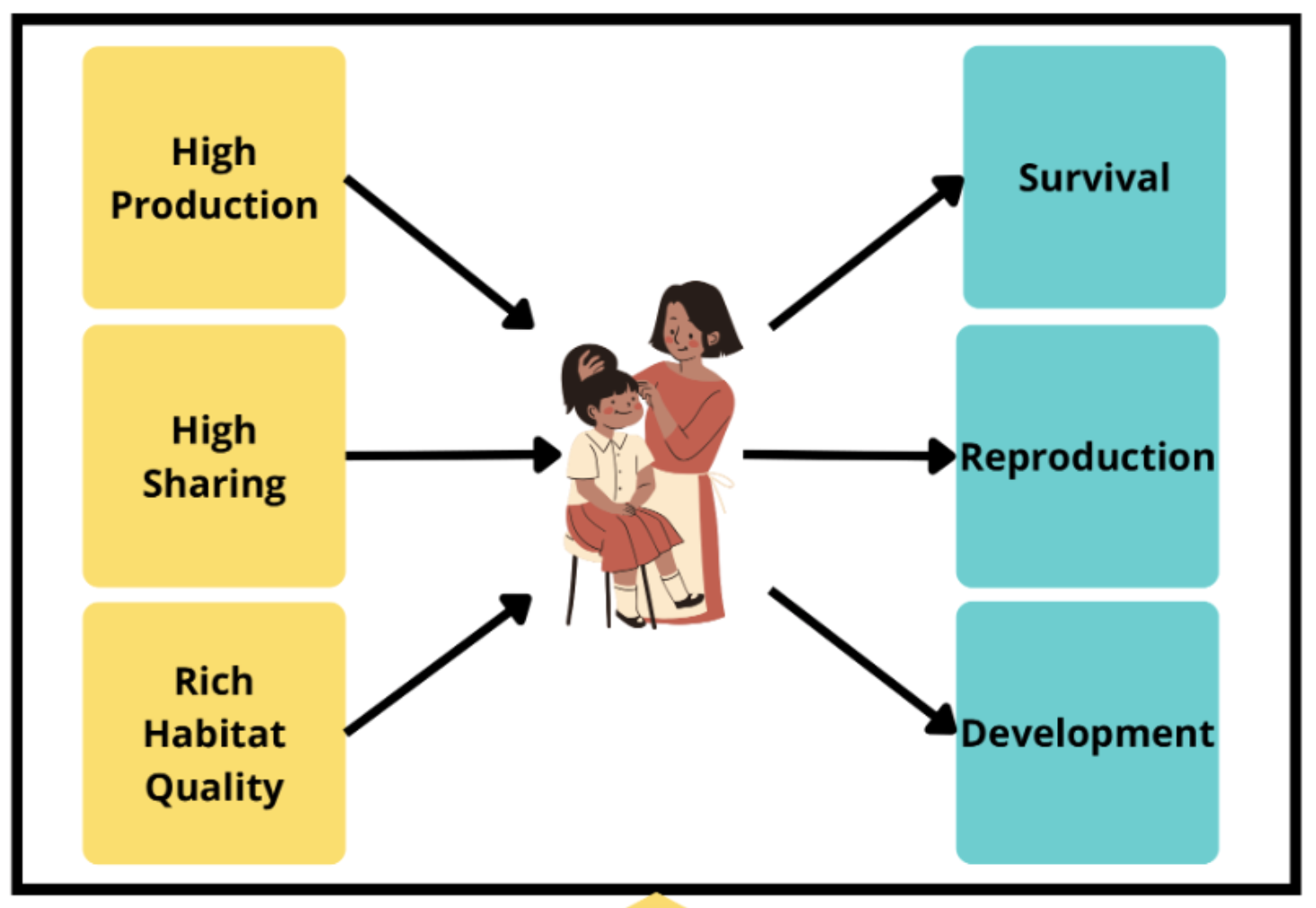
Sharing and reproductionAcross animals, risks and resource availability in the environment influence the timing and investment in reproduction. We are interested whether in humans transfer of resources might mean that reproduction is more shaped by the social than the ecological environment. With Pablo Jose Varas Enriquez |
 |
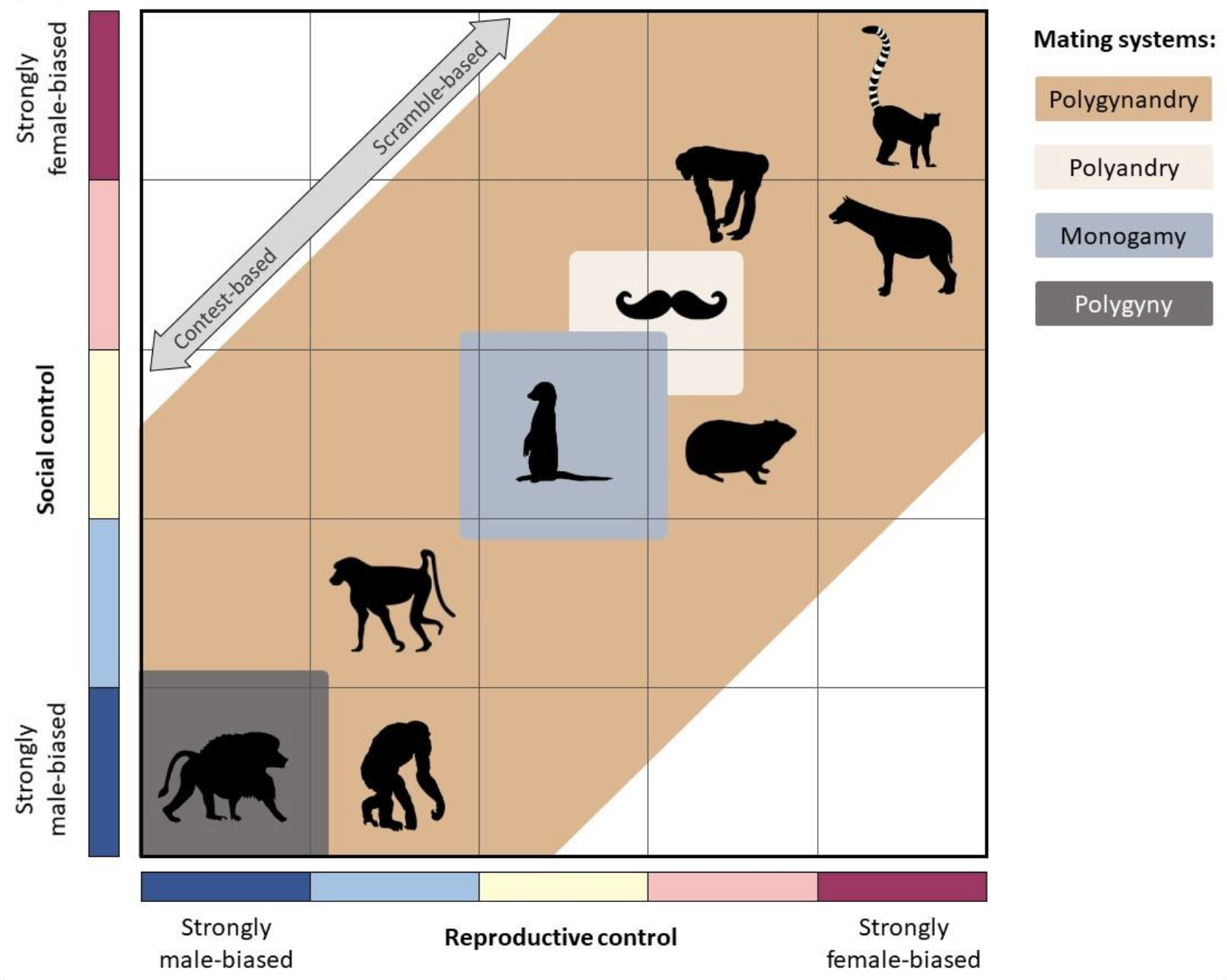
Dominance interactionsCompetition between individuals is a fundamental aspect of the evolution of mammalian societies. Is it beneficial for individuals to rank above others of the same sex? With Elise Huchard, Oliver Höner, and Marie Charpentier. And when would we expect that individuals of one sex have more power than individuals of the opposite sex. With Elise Huchard, Peter Kappeler, Claudia Fichtel, and Nikos Smit. |
 |
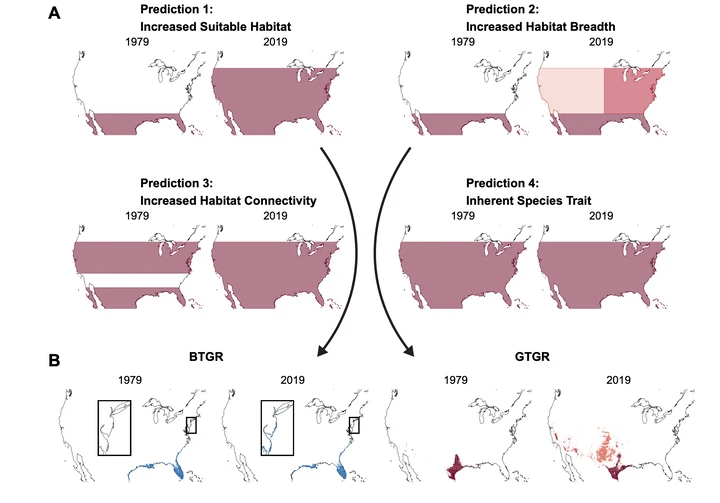
Behaviour and expansionI am a collaborator on the great-tailed grackle project. This project investigates whether behaviour plays a role in their adaption to new environments. My particular focus is on understanding the mating and dispersal behaviour across their expansion range. With Corina Logan. |
 |
To gain these insights, I innovate bespoke, hypothesis- and population-specific statistical models that guide data collection. My approach involves developing Bayesian techniques in data analysis methodology to recreate the likely processes that generated the data.
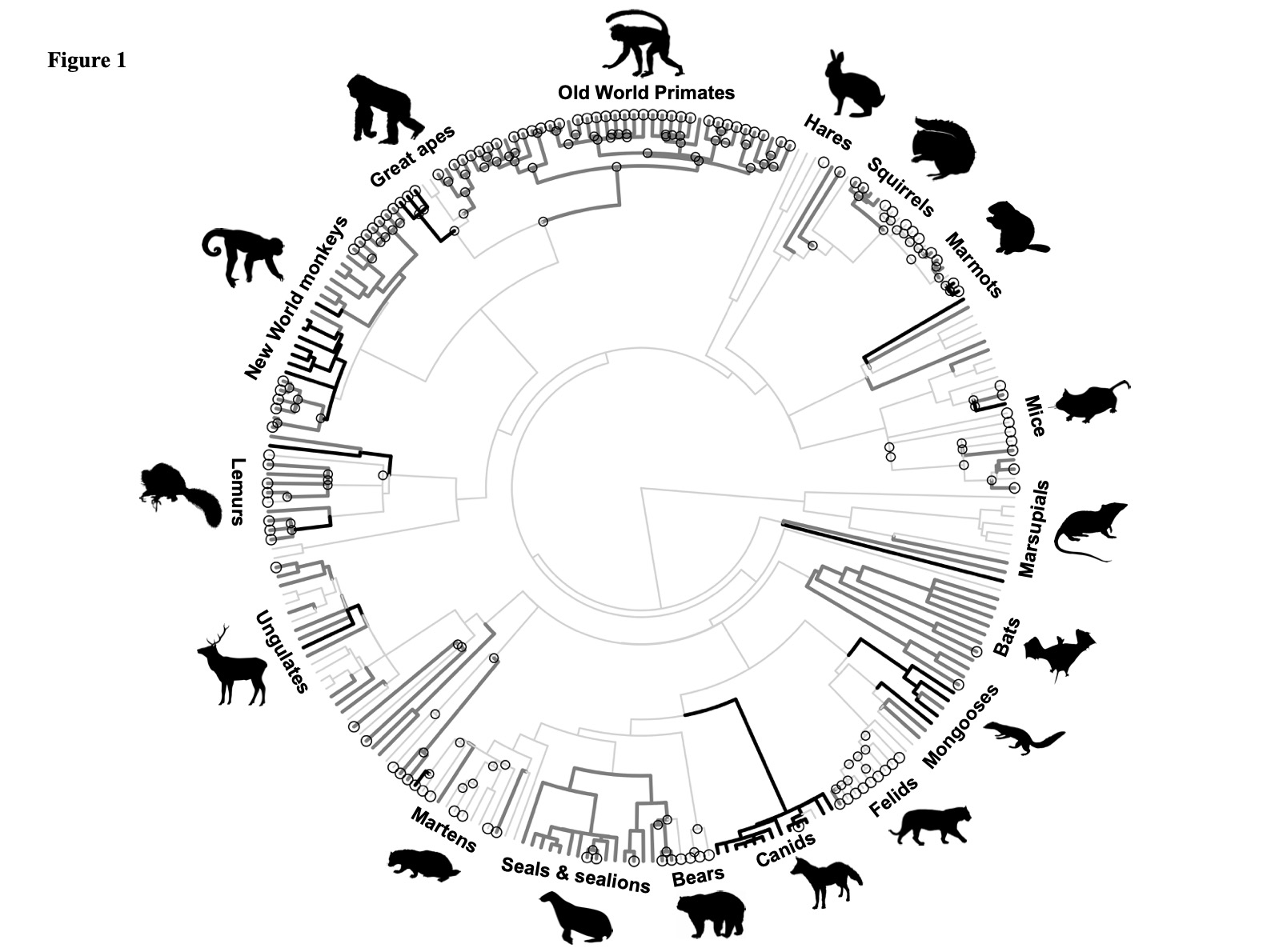
Comparative analysesReconstructing the likely sequence of changes that occurred in the past can uncover whether certain conditions make the evolution of behaviours more or less likely. |
 |
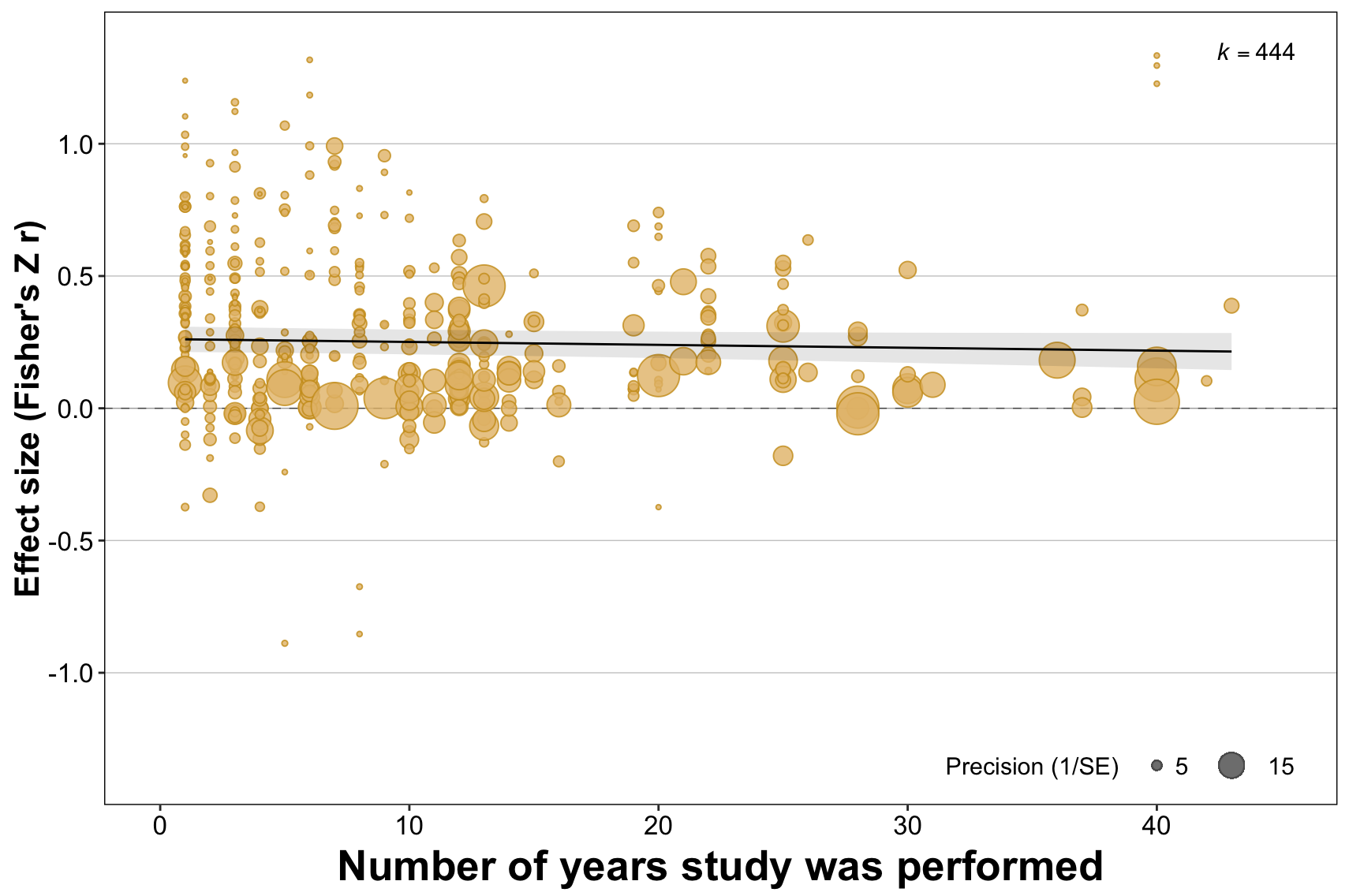
Meta-analysesIn nature, we don’t expect the relationship between two variables to be always the same, but to change according to circumstances. We accordingly need methods to account for this variation and to be able to make predictions of what the relationship might be in other situations. |
 |
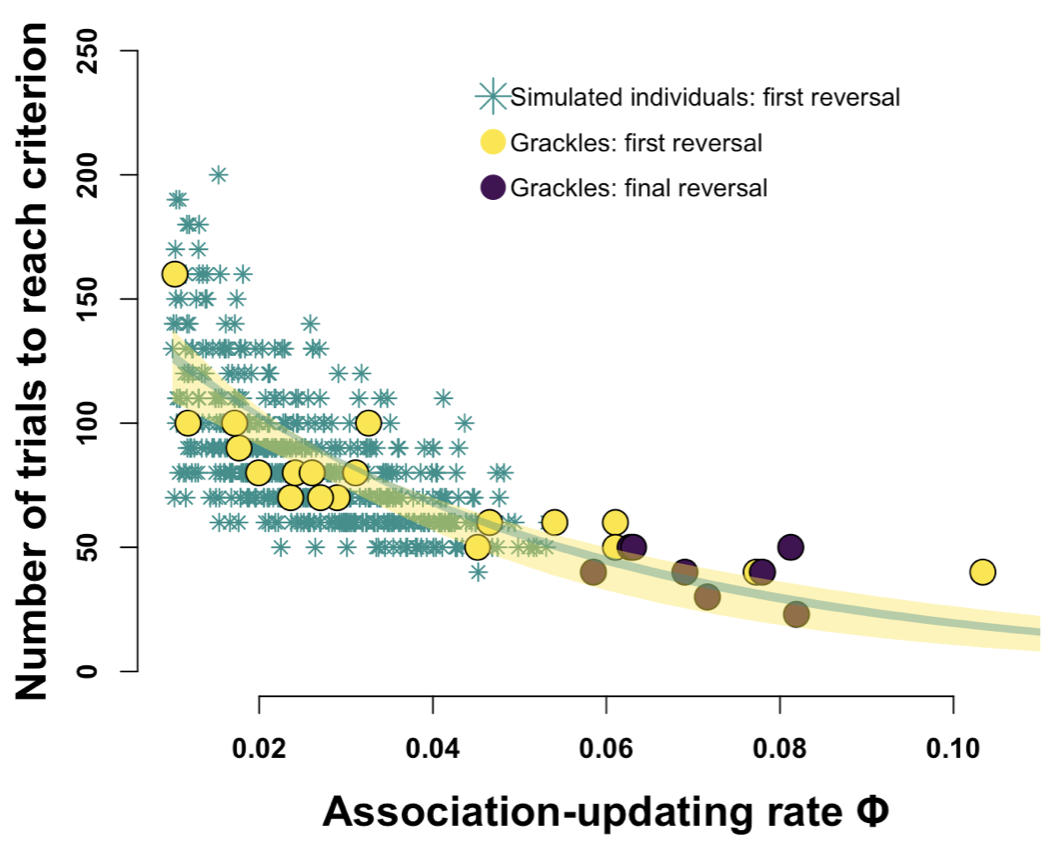
Process-based statisticsBy matching the statistical analyses to the processes that generated the data can provide additional power and insights. We can simulate data to determine minimal sample sizes, and match the results to the specific predictions. |
 |